
Human-centered Smart Ecosystem
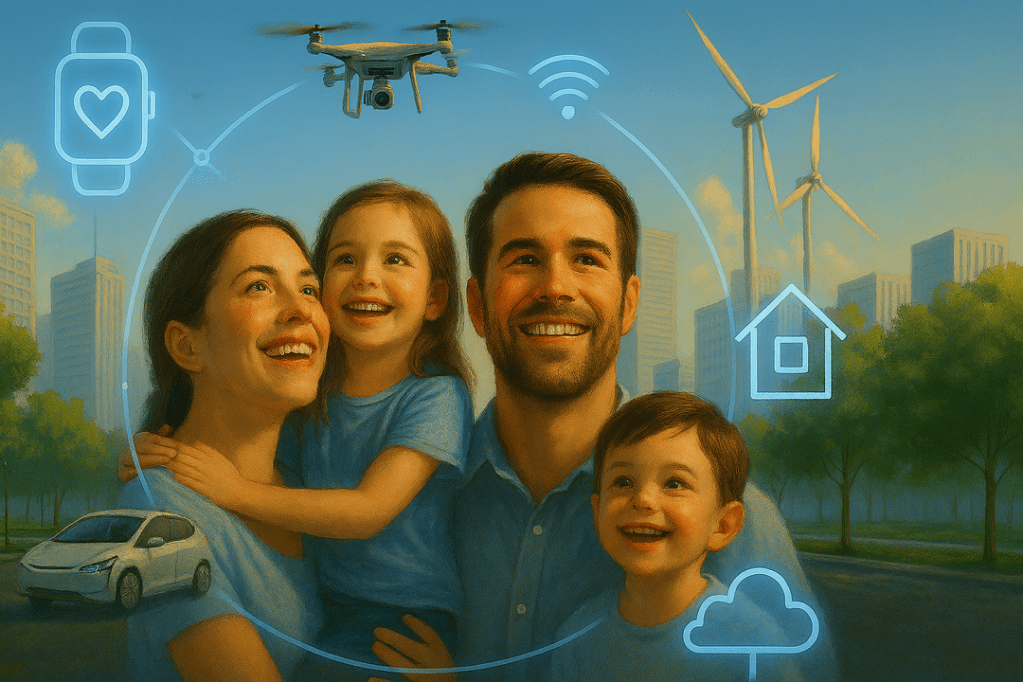
A human-centered smart ecosystem represents a fundamental paradigm shift driven by the pervasive integration of connectivity and intelligence, such as artificial intelligence, Internet of Things (IoT), and data networks, etc., throughout every aspect of our lives. Unlike earlier approaches focused primarily on technological advancement or efficiency, this paradigm puts human needs, well-being, and values at the center of digital transformation.
As connectivity and intelligence become embedded across diverse sectors, the implications are profound:
- Media & Entertainment: Personalized content delivery, interactive platforms, and adaptive entertainment experiences are made possible by smart algorithms that understand user preferences while prioritizing ethical design and inclusivity.
- Home Living: Smart homes go beyond convenience, creating safe, accessible, and energy-efficient environments tailored to personal lifestyles, health requirements, and relationships.
- Enterprises & Workplaces: Human-centered workplaces utilize intelligent automation and collaboration tools not just for productivity, but to support employee well-being, flexible working, and learning opportunities.
- Schools: Learning environments become adaptive, inclusive, and personalized, fostering creativity, critical thinking, and equity enabled by intelligent platforms and connected devices.
- Roads and Urban Infrastructure: Connected vehicles, smart traffic management, and responsive urban planning all prioritize safety, accessibility, and the needs of diverse populations.
- The Wider Cityscape: From healthcare to government services to public spaces, every facet of urban life becomes more responsive and participatory, with citizens offered greater agency, transparency, and involvement in governance and decision-making.
Future of Homes
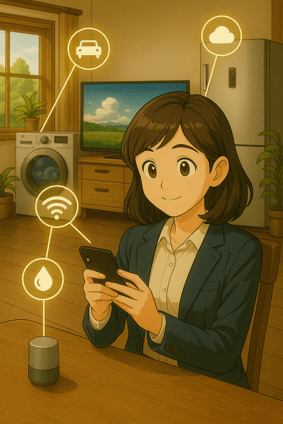
The Future of Homes is defined by a shift toward human-centered smart ecosystems, where intelligent technology, seamless connectivity, and adaptive design fundamentally transform everyday living.
- Smart, Adaptive Living: Homes are increasingly equipped with AI-driven devices, thermostats, lighting, voice assistants, and appliances, which learn and adapt to each resident’s habits, routines, and preferences. This results in spaces that are not only convenient but also intuitively responsive to comfort and mood.
- Well-being and Health Focus: Connected sensors and health-focused devices continuously monitor air quality, sleep, movement, and wellness indicators. They proactively adjust home environments and provide personalized recommendations, supporting healthier, more balanced lifestyles.
- Inclusive and Accessible Spaces: Universal design, automation, and voice-controlled systems make the home environment accessible to everyone, regardless of age, ability, or background, allowing for fully participative and independent living.
- Sustainable and Efficient: Future-oriented homes integrate renewable energy sources, smart energy management, and eco-friendly materials, significantly reducing environmental impact while maintaining comfort and usability.
- Security and Agency: Advanced AI-powered security systems distinguish between familiar faces and potential threats, offering context-specific alerts. Importantly, these systems are designed to ensure that residents always retain control and privacy over how technology is used within their living space.
- Community Integration: Homes are not isolated any more. They interact with broader neighborhood and city systems, such as shared renewable energy grids and community safety networks, contributing to greater resilience and resource-sharing at scale.
In this emerging paradigm, the home is no longer just a shelter or set of utilities. Instead, it becomes a dynamic, connected, and caring ecosystem, empowering individuals and families to thrive through personalized experiences, greater wellness, and meaningful interaction with both technology and community. The Future of Homes places dignity, autonomy, and well-being at its core, using advanced technology not as an end, but as a tool that aligns with what matters most to its inhabitants.
Future of Cities
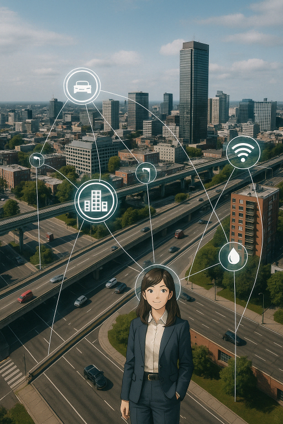
The Future of Cities is shaped by the rise of human-centered smart ecosystems, in which digital intelligence and pervasive connectivity are seamlessly integrated into all aspects of urban life—redefining how people live, work, move, and interact.
- People-Focused Urban Design: The layout and operations of cities prioritize quality of life, accessibility, and inclusivity. Public spaces, transportation networks, and buildings are designed to be welcoming and accessible for people of all abilities and backgrounds.
- Connected, Responsive Infrastructure: Urban spaces are embedded with IoT devices, sensors, and AI platforms that monitor and manage traffic, energy use, public safety, and public services in real time, ensuring environments that dynamically adapt to citizens’ evolving needs.
- Personalized Services and Health: Advanced healthcare networks, education, and public services are made more equitable, timely, and personalized through connected technologies—ensuring access for all and focusing on prevention and well-being.
- Data-Driven Governance: Transparent, participatory governance uses advanced analytics and open data to co-create solutions with residents. Citizens are engaged in decision-making, and policies respond rapidly to emerging needs and community feedback.
- Environmental Sustainability: Future cities prioritize green spaces, renewable energy, smart waste management, and efficient resource utilization. Digital technology enables urban areas to monitor pollution, optimize water and energy use, and respond proactively to environmental challenges.
- Community and Security: Cities foster social connection and resilience with technology-enabled community initiatives, robust safety networks, and systems that balance collective security with privacy and personal agency.
Future of Education
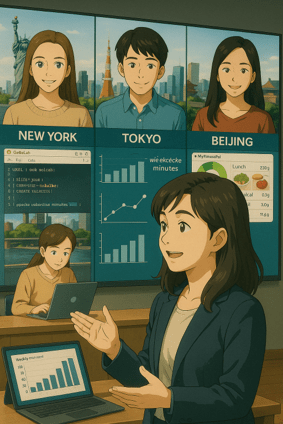
The Future of Education is undergoing a profound shift toward learner-centered, human-focused ecosystems powered by connectivity, intelligence, and adaptability. As digital transformation, artificial intelligence (AI), and the demands of a rapidly changing world accelerate, education is being reimagined from static content delivery to dynamic, holistic experiences that prepare learners for lifelong success.
- Personalized, Adaptive Learning
Advanced technologies—AI, data analytics, virtual and augmented reality—enable education to be customized to each learner’s needs, preferences, and pace. This ensures equity and engagement, helping all students reach their potential regardless of location or circumstance123. - Human-Centered Skills and Agency
The curriculum prioritizes creativity, critical thinking, collaboration, emotional intelligence, communication, and ethical reasoning—distinctly human skills necessary in an AI-augmented world. Learners are empowered to take ownership, develop agency, and find relevance in their studies to real-world challenges453. - Lifelong and Ubiquitous Learning
Education moves beyond the classroom, becoming a continuous, accessible process that spans the entirety of a person’s life—at home, work, and in the community. Learning ecosystems interweave formal, informal, and experiential opportunities, adapting to evolving societal and economic needs673. - Integrated Community and Ecosystem Approach
Future education involves collaboration among schools, families, industries, and communities—creating ecosystems that support holistic growth and purposeful contribution. Learning environments are diverse: studios, labs, workplaces, online networks, and community hubs where everyone can find their path and sense of belonging64. - Technology as Enabler, Not Driver
Rather than replacing educators, technology liberates them from routine tasks and augments their roles as mentors, designers of learning experiences, and facilitators of inquiry. Educators guide, inspire, and nurture learners through rich, human relationships supported by smart tools87. - Equity, Inclusion, and Well-being
Digital platforms, open resources, and adaptive tools promote inclusivity, breaking down barriers to learning, and ensuring access for all. Well-being is woven into the curriculum, addressing social, emotional, and mental health alongside knowledge and skills19. - Real-World, Interdisciplinary Learning
Subject boundaries become more fluid, with projects that solve authentic problems and cultivate interdisciplinary competence. Assessment shifts toward portfolios, real-world demonstrations, and holistic evaluation of growth, not just exam performance410.
FAQs
What is a human-centered smart ecosystem?
A human-centered smart ecosystem leverages technology, data, and digital infrastructure to improve quality of life, but always puts people’s needs, well-being, and values at the core of its design, development, and governance.
How is a human-centered smart ecosystem different from a traditional smart city or smart environment?
Traditional smart cities often focus primarily on technological solutions and efficiency. A human-centered smart ecosystem prioritizes human needs, inclusivity, well-being, and ethical considerations, ensuring technology genuinely serves people rather than the other way around.
What are the main benefits of a human-centered approach to smart ecosystems?
Benefits include enhanced quality of life, greater trust and acceptance of technology, inclusivity for all residents (including vulnerable groups), and more sustainable and resilient communities.
How does a human-centered smart ecosystem address data privacy and security?
These systems are designed with strong data governance strategies that ensure citizen control, ownership, and transparency regarding personal data, emphasizing privacy and protection from misuse.
What role do citizens play in building a human-centered smart ecosystem?
Citizens or users are actively involved in co-creation and decision-making processes through participatory governance, ensuring solutions reflect real needs and diverse perspectives.
What challenges might arise when implementing a human-centered smart ecosystem?
Challenges include balancing technology with privacy and inclusivity, coordinating among multiple stakeholders, securing broad participation, and updating existing regulations to support ethical, transparent innovation
 Welcome to Taejae Data and AI Hive